Pakistan
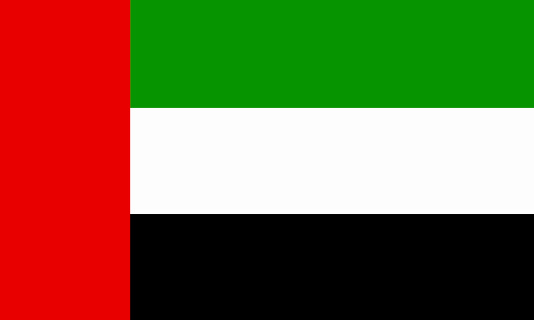
 Dubai
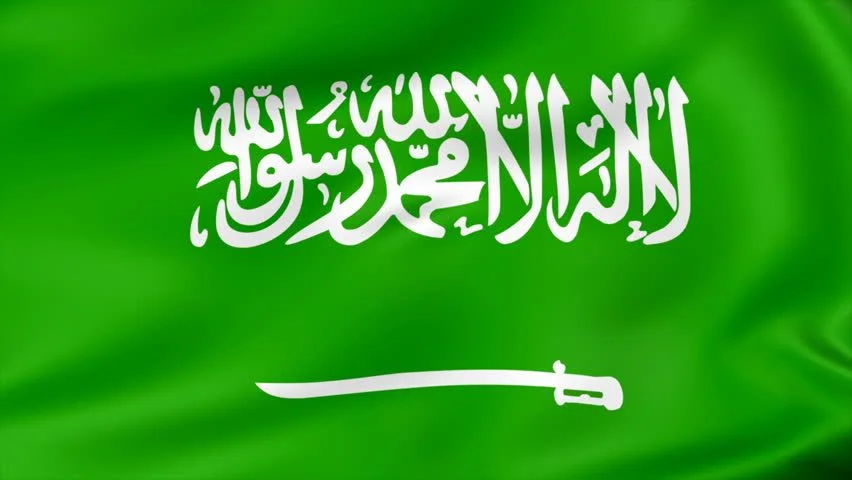
 Saudi Arab
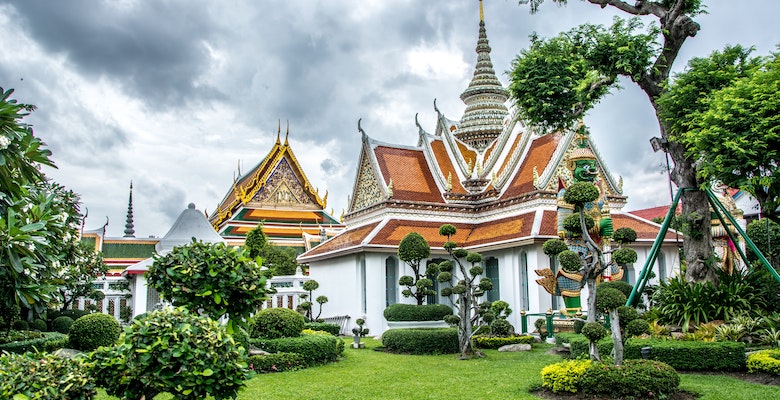
 Thailand
 Maldives
 Azerbaijan
 Spain
 Italy
 Singapore



29
History, architecture
The glorious Hagia Sophia of Istanbul – Turkey. The former church, Ottoman Mosque, official museum, and now mosque again have saintly ambiances combined with Islamic and Byzantine architecture. Sitting in Istanbul’s old city part known as Sultanahmet, Hagia Sophia joins other nearby landmarks belonging to Turkey’s UNESCO World Heritage list. The Hagia Sophia that we see today in Istanbul is not the original structure. Hagia Sophia was initially erected in 360 AD by Emperor Constantine the Great of the Byzantine Empire.
Sadly, a fire in 404 AD damaged the roof, and ten years later another fire destroyed the remaining structures. As a result, Hagia Sophia was entirely restored by Roman Emperor Justinian. With crude tools in comparison to modern construction equipment, 10,000 workers finished the job in just five years. Additionally, they did not employ any scaffolding. However, Justinian the Great was a brilliant man. He divided the workforce into two groups and offered bonuses to those who finished their work fast. Unfortunately, misfortune would return. In Istanbul's Nicaea Riots, one hundred and seventeen years later, Hagia Sophia was completely demolished. The landmark sustained little damage over hundreds of years after it was rebuilt.
Hagia Sophia was transformed into an imperial mosque by Sultan Mehmet the Conqueror at the Fall of Constantinople in 1453. However, while Murad the third ruled, wear and strain led to the collapse of some components. So the greatest architect of the Ottoman Empire, Mimar Sinan, intervened. He strengthened the structure of the historic site by adding side wall buttresses. Every Ottoman ruler made their stamp on this structure, adding Turkish calligraphy art, as a testament to its splendor.
Why is the Hagia Sophia so important? The Hagia Sophia church served as the spiritual center of the Byzantine empire before the Ottoman Empire conquered Istanbul. The structure was the most significant church in the entire globe, comparable to what St. Peter's Basilica is to Vatican City. Given the landmark's religious significance, one would naturally think that when the Ottomans invaded, they would destroy it. But they changed it into a mosque, maybe to signal to the outside world the coming of a new dominion.
Interesting Facts about the Hagia Sophia
• In Turkey, the landmark is called Ayasofya
• Hagia Sophia’s name means Church of Holy Wisdom
• 19th-century Islamic calligraphy plaques were made from wood
• Hagia Sophia was a Christian church for 916 years
• It was once the world’s largest domed building.

Where is Hagia Sofia located?
The Hagia Sophia of Istanbul – Turkey sits in the Sultanahmet district. This is the center of other Byzantine and Ottoman landmarks, including Basilica Cistern, Blue Mosque, Hippodrome, Topkapi Palace, and Chora Church. In addition, other great attractions include Galata Bridge, Galata Tower, Grand Bazaar, and Golden Horn and Bosphorus strait attractions. The mosque opens 24 hours every day and entrance is free.